The Cost of Pushing Through
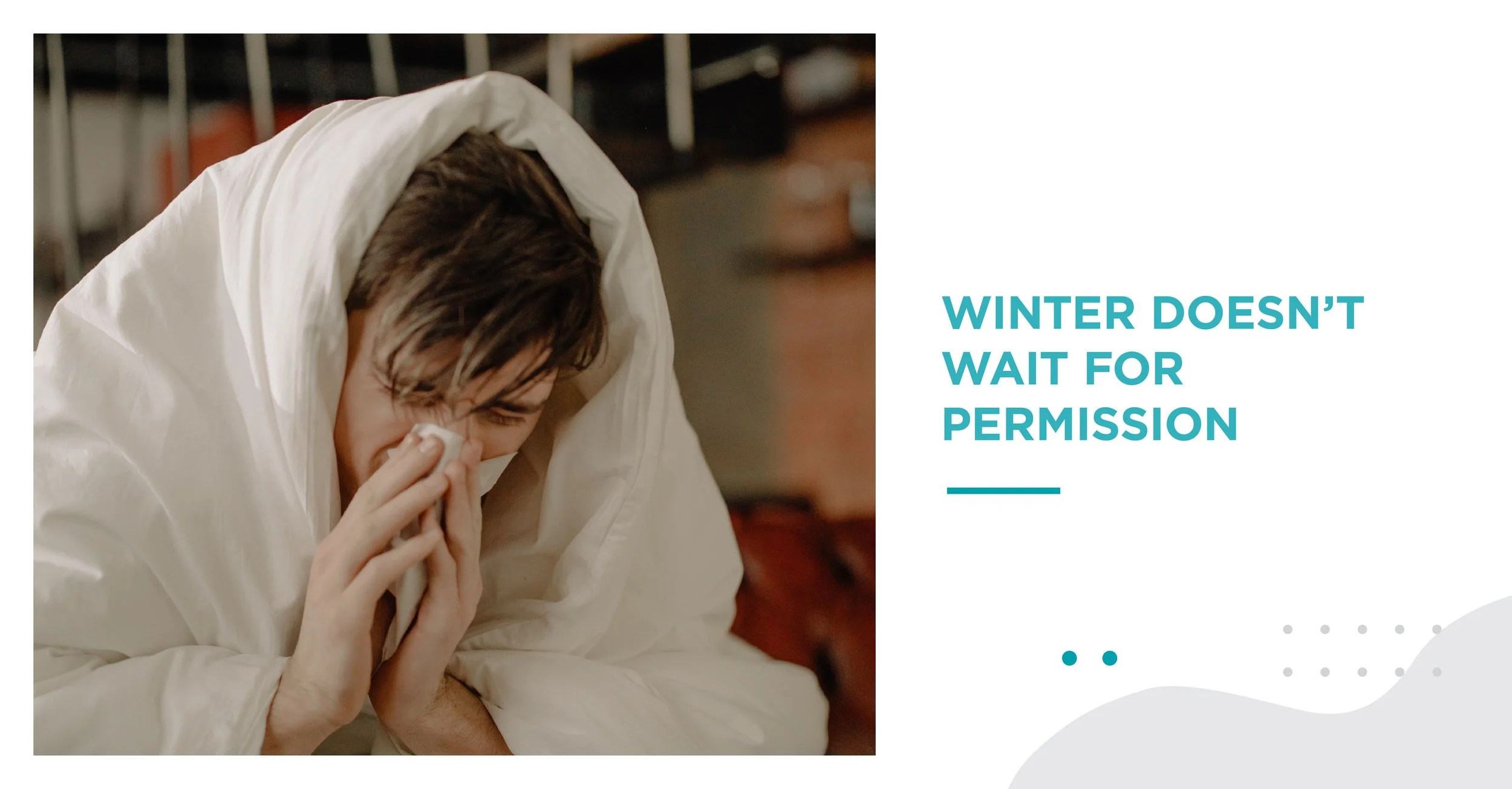
We're in the Thick of Flu Season Now
Forget the warnings about what's coming. By July, flu season isn't a forecast, it's a fact. Walk through most offices right now and you'll feel it: a few empty desks, someone coughing through a meeting they probably should have skipped, a WhatsApp message about another sick day.
This is peak season for absenteeism, and it happens like clockwork every year. The mistake most workplaces make is treating it as a surprise instead of a pattern.
At this point in the season, prevention messaging has done what it's going to do. The more useful question now isn't "how do we stop people from getting sick," it's "how do we make it painless for someone who's already sick to stay home."
That sounds obvious. It rarely is in practice. Staff often don't have a clear answer to "what do I actually do if I'm not well today." Is there a number to call? A person to message? Does it need a doctor's note for one day off, or is that overkill? When the process is unclear, people default to pushing through, showing up half-functional, and spreading it to everyone around them. One sick day off becomes a week of the whole team catching it.
The fix isn't a new policy document nobody reads. It's making sure managers and staff already know, without having to look it up, what happens when someone's unwell. Stay home. Tell this person, this way. No drama, no guilt trip.
There's also a quieter risk worth watching for. The people hit hardest this time of year usually aren't the ones who say so. Staff with chronic conditions, older employees, and anyone who was already stretched thin before flu season even started are the ones most likely to push through illness rather than report it. A short, casual check-in, not a formal process, can catch a problem while it's still a few days off, before it turns into two weeks.
Flu season isn't going to ask permission, and it isn't going to wait for a quieter month. The workplaces that come out the other side in good shape aren't the ones with the best prevention posters. They're the ones that made it simple, normal, and guilt-free for someone to say "I'm not well" and actually mean it.