Always On Isn't a Compliment
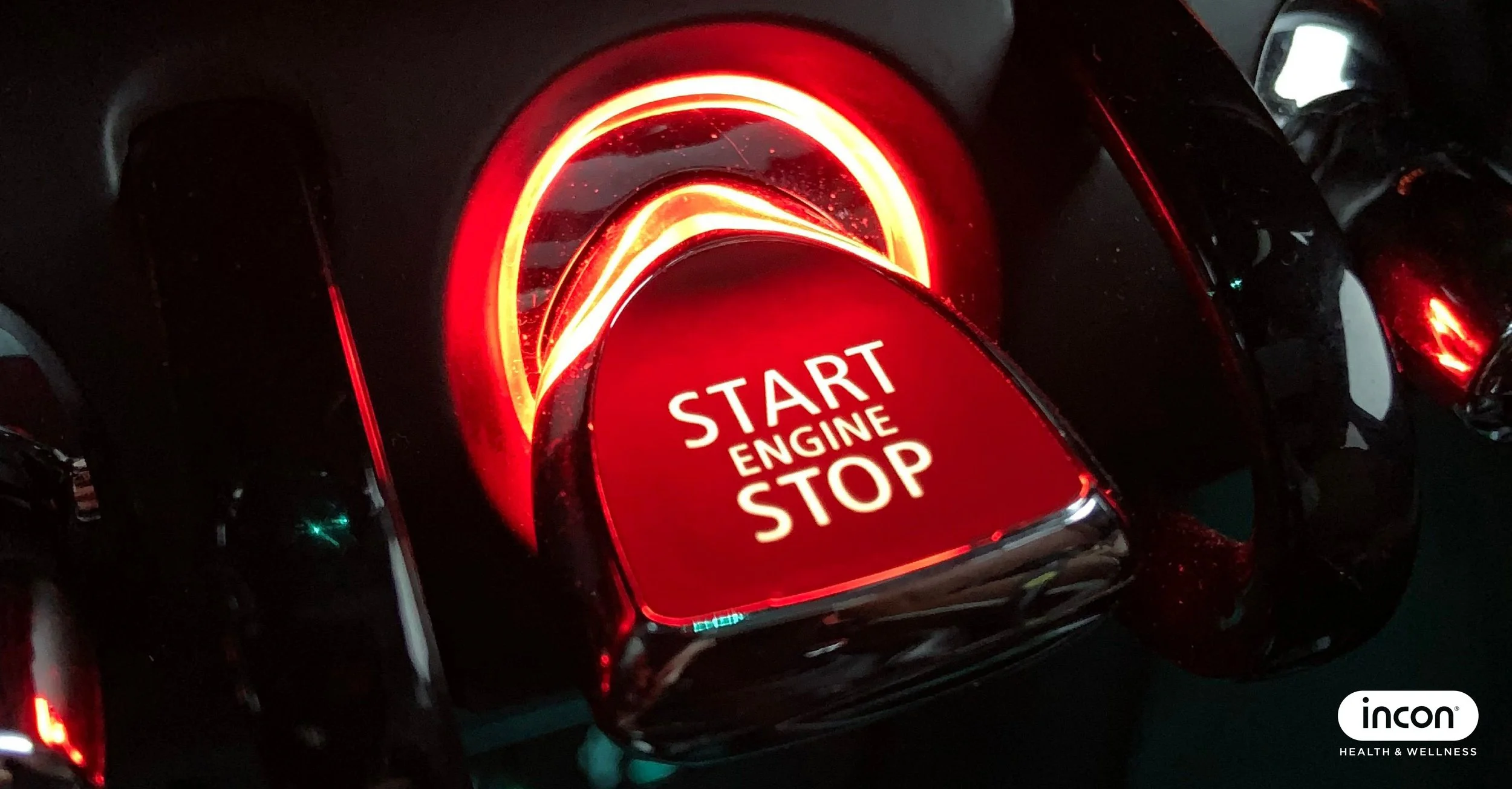
Switching Off Is Now an Occupational Health Issue
South Africa doesn't yet have a law that gives employees a formal right to disconnect after hours. But the absence of a named law doesn't mean there's no exposure.
Hybrid and remote work have blurred a line that used to be fairly clear. The Basic Conditions of Employment Act still applies to hours worked from a home office, the same as it would from a desk on site. Overtime rules don't pause because a laptop is open on a kitchen table after dinner. And the Occupational Health and Safety Act's basic duty, to provide a working environment that is safe and without risk to health, doesn't stop at the office door either.
What's emerging instead of a single new law is a pattern of pressure from existing ones. Disputes are increasingly raising the question of whether constant after hours availability, even when never formally required, has become an unspoken expectation. That's a culture problem with a compliance edge to it.
For employers, the practical takeaway isn't to wait for new legislation. It's to look honestly at whether “flexible” has quietly become “always available,” and whether that's something written into policy or just something that's grown by habit.
Recovery isn't a perk. It's part of how people stay well enough to keep doing good work. A team that never fully switches off isn't more dedicated, it's running on a deficit that eventually shows up somewhere.
Being reachable and being well aren't always the same thing. Worth building a policy that knows the difference.