Compensation Pay Out - what next?
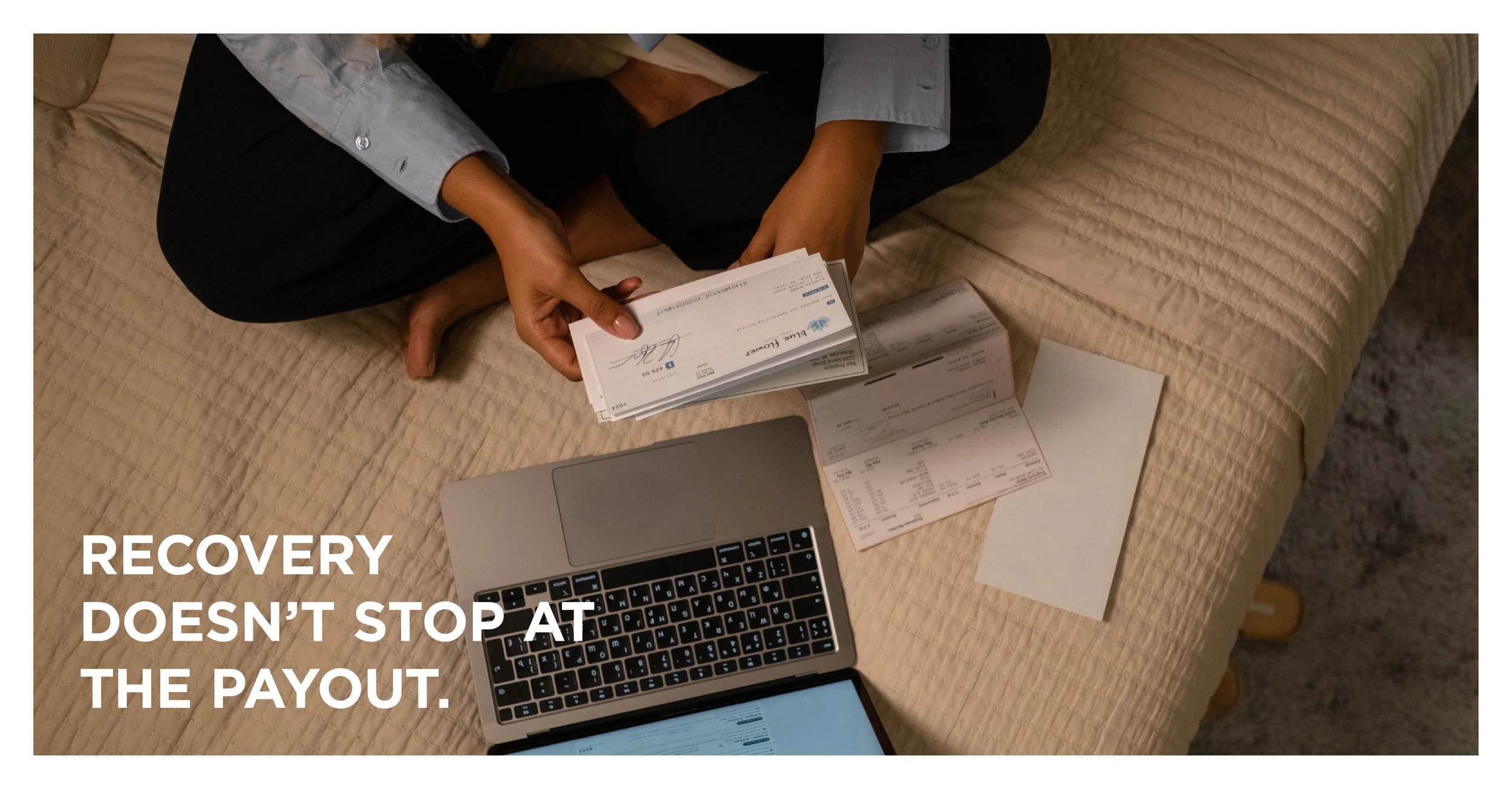
What Happens After the Compensation Cheque Clears?
Picture the usual story: an employee is injured on the job, the claim goes in, the Compensation Fund pays out, and life moves on. For decades, that's roughly where the story ended. What happened to the employee after that, whether they ever came back to work, how they coped physically or financially, wasn't really anyone's job to track. As of this year, that's no longer true.
The old model stopped at the payout
COIDA, South Africa's Compensation for Occupational Injuries and Diseases Act, has always covered medical costs and compensation for workplace injuries. But recovery and reintegration back into the workplace were largely left to the employee and, informally, to whichever employer was willing to make it work. There was no structured obligation to help someone actually get back to productive work.
What changed in March 2026
New Rehabilitation, Reintegration and Return-to-Work Regulations came into effect on 6 March 2026, giving practical teeth to a rehabilitation framework built into COIDA. The principle behind it is simple but significant: recovering from a workplace injury isn't just a medical matter, it's a shared responsibility between the employer, the Compensation Fund and healthcare providers.
What this looks like on the ground
For employers, this isn't just a policy update to file away. It means designating someone to coordinate rehabilitation cases, working alongside a Rehabilitation Case Manager on an Individual Rehabilitation Plan for the employee, and offering reasonable accommodation to help them return, whether that's modified duties, adjusted hours, or assistive equipment. Importantly for employees, going through this process doesn't put their compensation at risk. Returning to work isn't treated as giving something up.
Why it's worth building in now, not later
The employers who'll find this easiest are the ones who treat return-to-work planning as part of how they already manage health and safety, not as a scramble that only kicks in once someone's already been hurt. Building the process into existing HR and safety structures now means one less thing to figure out under pressure later.
Compensation was never meant to be the end of the story. Incon helps employers build the return-to-work processes the new regulations now expect.