
You Can't Outwork Your Biology
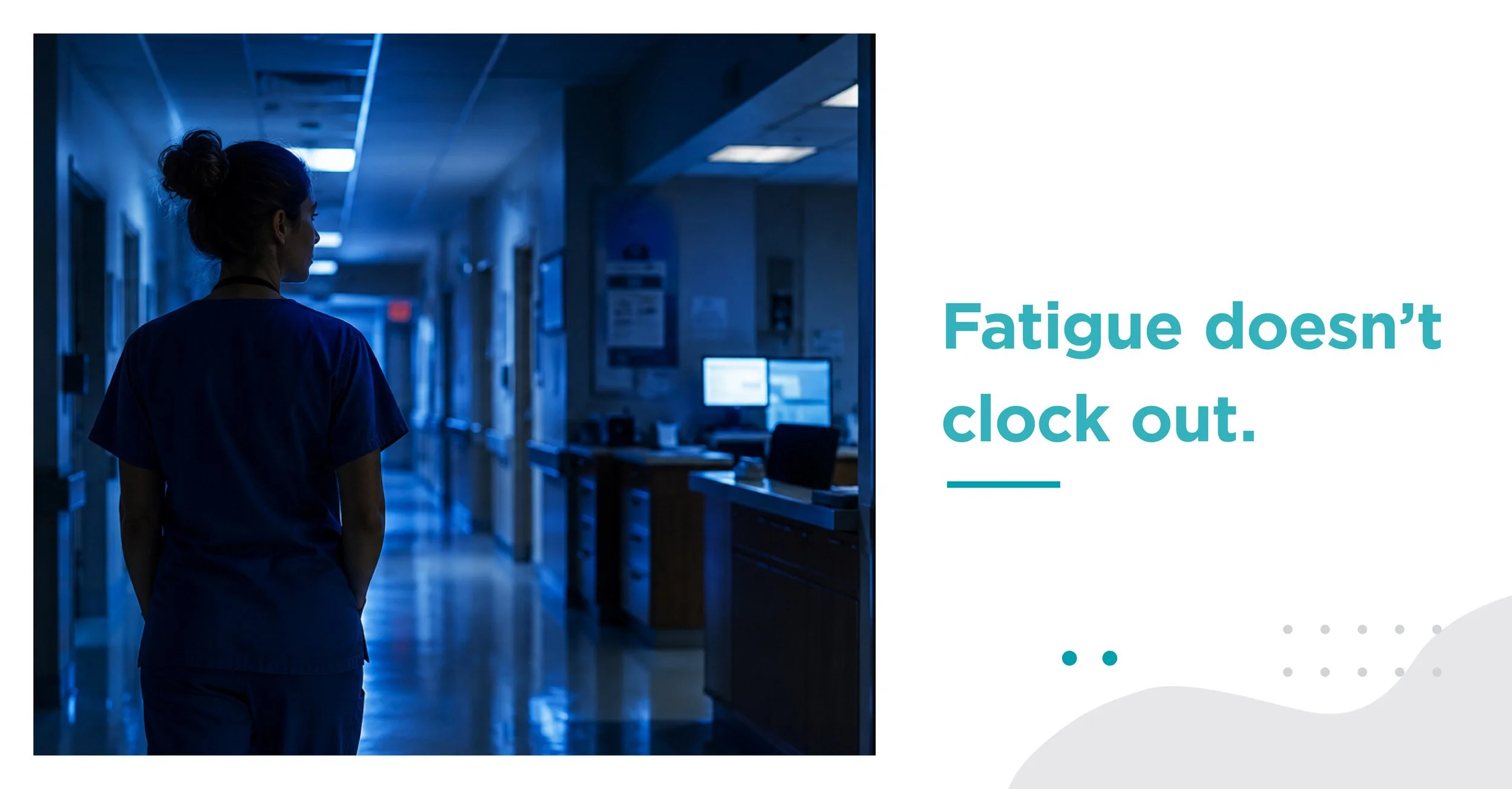
The Hidden Cost of Working Against Your Body Clock
Your body has a rhythm. For the past 200,000 years of human evolution, that rhythm has followed the sun. Work at night, sleep during the day and you're not just tired - you're working against biology.
Shift work disrupts circadian rhythm, the internal clock that governs sleep, metabolism, digestion, hormone production and immune function. When that rhythm breaks, everything else follows. Sleep quality drops. Metabolism slows. Digestive issues emerge. Mood destabilises. Reaction times slow. All of these show up as workplace risk.
For manufacturing, security, healthcare and logistics workers, shift patterns are non-negotiable. But the health cost is rarely calculated into the job design. People manage. They adapt. They accept fatigue as the price of employment. But it's a price paid in chronic sleep deprivation, metabolic disorder, increased cardiovascular risk and accelerated ageing.
The solution isn't eliminating shift work. It's acknowledging the cost and designing support around it. This means: rotating shifts towards the worker's natural preference rather than arbitrary schedules. Ensuring adequate recovery time between shifts. Providing access to occupational health support that understands shift work fatigue. Creating flexibility around medical appointments, since shift workers struggle with standard clinic hours.
It also means recognising that shift workers are not simply tired. They're managing a genuine health challenge. When you support that challenge, safety improves, retention improves and people can sustain shift work without sacrificing their health.
Your team's circadian rhythm matters. Design your shifts accordingly.