
Weather-Proof Your Workplace
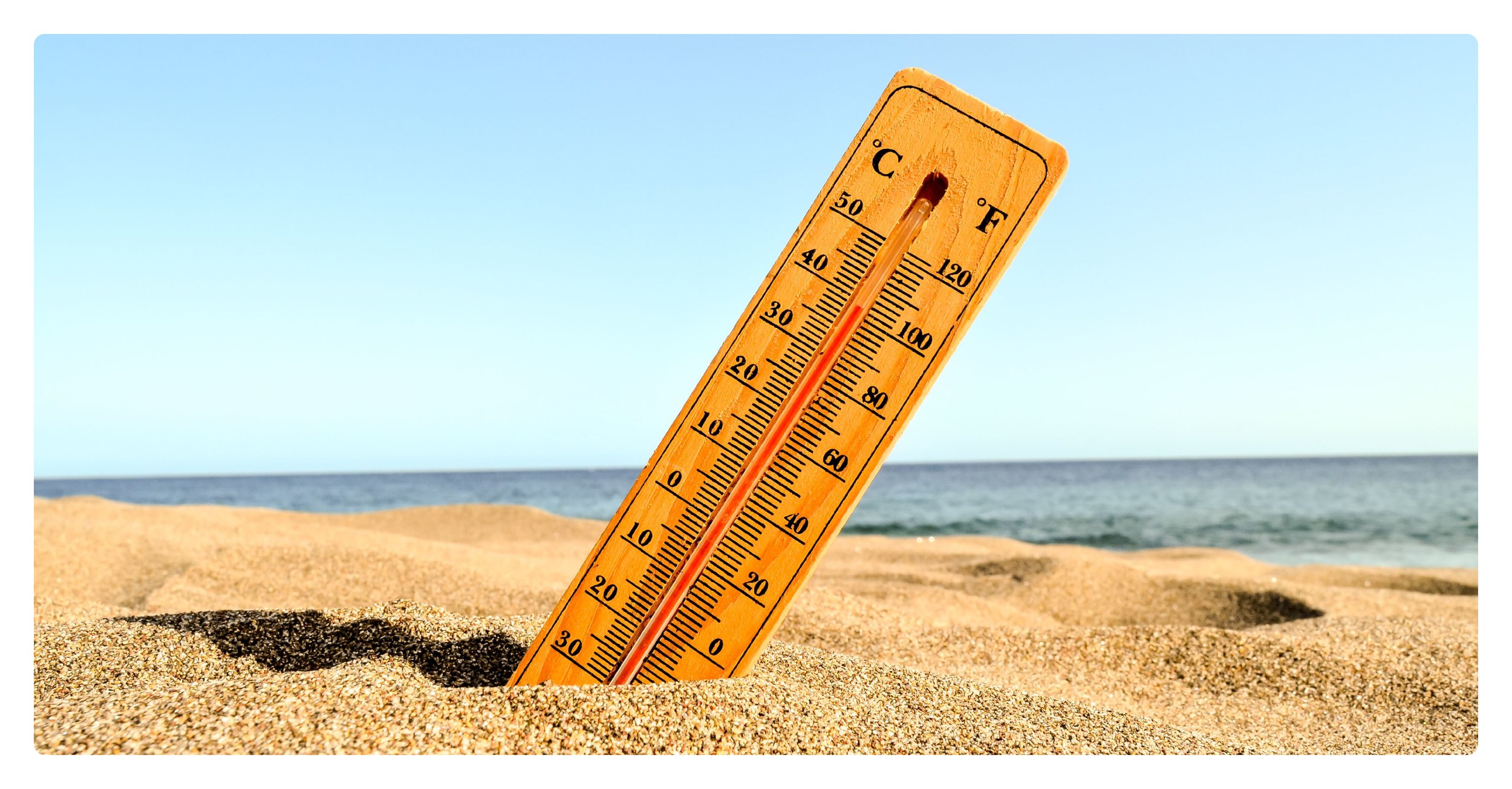
Extreme Weather Is Rising and why does it matters for occupational health
Weather is no longer something we simply “work around”. It has become an operational and wellbeing factor.
Hot, dry conditions drain the body quietly. Hydration drops, headaches increase, sleep quality worsens and concentration slips. The result is often lower energy, slower reaction time and shorter patience - especially in physically demanding roles.
At the other extreme, heavy rain and flooding create disruption and risk. Travel delays, changed routines and unsafe conditions add pressure, fatigue and frustration. Operations slow down, teams work around obstacles, and stress levels rise.
In both cases, weather shows up in the workplace as reduced comfort, lower resilience, higher sickness patterns and more strain on teams - not because people are ‘coping poorly’, but because conditions are demanding more from them.
Extreme weather affects more than outdoor roles. Heat builds up in warehouses, workshops, kitchens, clinics, vehicle cabins and poorly ventilated offices. Severe rain and flooding can create damp environments, mould risk, slips and falls, access challenges, and interruptions to power and water. It can also increase anxiety for employees who are worried about their homes, families or commuting routes. Over time, the combination of physical strain and uncertainty can contribute to burnout and disengagement.
Three practical tips employers can apply now
1) Plan for the day, not the season
Use a quick daily check-in to assess conditions and adapt work accordingly. On hot days, adjust timing for physically demanding tasks and build in more frequent breaks. During heavy rain, review travel risks and be clear about what is considered unsafe.
2) Control the environment where you can
For heat, improve airflow, add shade where possible, and ensure water is visible and easy to access. For rain and flooding, prioritise dry, safe walkways and entrances, manage wet-floor risks, and address damp areas quickly to reduce mould and respiratory irritation.
3) Communicate early and make support visible
Extreme weather often creates uncertainty. Share a short, calm update so employees know what changes, what stays the same, and who to contact if they are struggling. Encourage early reporting of symptoms or concerns, whether it is heat-related strain, illness, or unsafe commuting routes.
Extreme weather does not need to become a crisis. When organisations plan for it, employee wellbeing is protected and operations stay steadier under pressure.