Safety in a Language You Don't Speak
A toolbox talk happens every morning on a construction site outside Cape Town. The supervisor runs through the day's hazards in English. Some workers understand every word. Others are reading faces and body language, guessing at what matters most, hoping the gist is enough.
It usually is, until the day it isn't.
South African workplaces run on multiple languages, often five or six on a single site. Yet safety communication, inductions, signage, toolbox talks, is still overwhelmingly designed around one. Not out of carelessness, but because English has become the default administrative language, and defaults are easy to stop questioning.
Safety only works if it's actually understood, not technically delivered.
When compliance and comprehension split apart
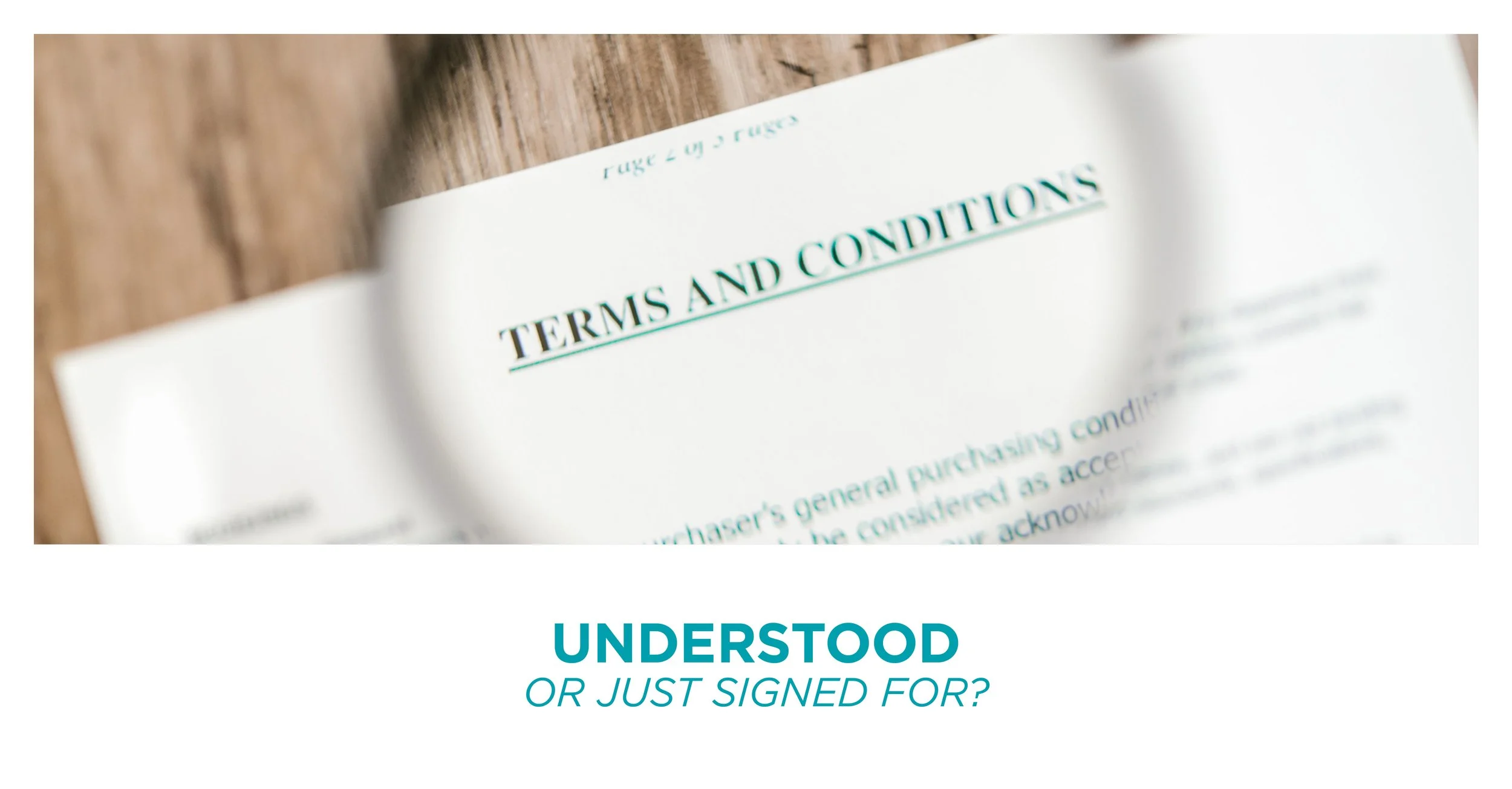
A company can run every legally required induction, get every register signed, tick every audit box, and still miss the mark entirely. A signature proves someone was in the room. It doesn't prove they understood what a lockout procedure means, or what to do when an alarm sounds.
When an incident investigation asks why a safety instruction wasn't followed, the honest answer is sometimes simple: it was never actually understood.
Why this stays invisible
Language gaps rarely announce themselves. Workers still building confidence in a second or third language tend to stay quiet rather than ask for something to be repeated, especially in front of colleagues. The silence looks like understanding. It usually isn't. That means the people most at risk of missing critical safety information are often the least likely to say so.
Closing the gap
Real change means building inductions and toolbox talks that flex to the languages actually spoken on site, leaning on visual aids and demonstrations that don't depend on any one language, and treating a request to repeat something as normal rather than a weakness.
The most effective safety officers already do this instinctively, switching languages mid-sentence and asking a worker to explain a procedure back in their own words instead of simply asking "does everyone understand." That single shift, from asking for agreement to asking for demonstration, tends to surface gaps a signed register never will.
A safety system only protects the people who understand it. Everything else is paperwork.